
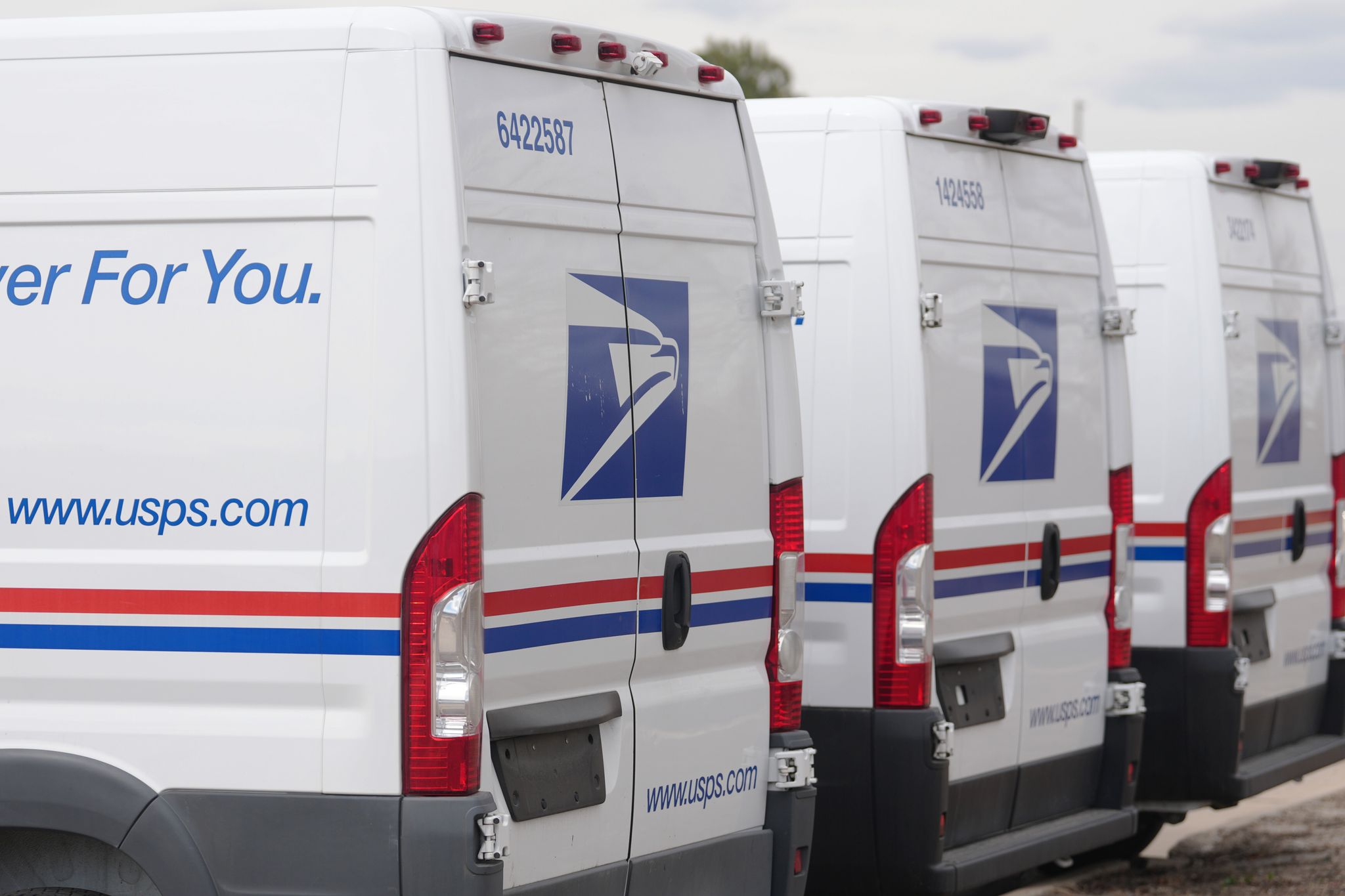
The United States Postal Service and DHL eCommerce have announced a major multi-year exclusive agreement valued at well over $10 billion, marking the largest contract in their more than 25-year partnership.
The deal, unveiled on May 28, 2026, positions USPS as the exclusive provider of last-mile delivery services for DHL eCommerce’s domestic parcel business across the United States. It represents a significant win for the financially strained postal service as it seeks to expand revenue through parcel delivery partnerships.
Deal Structure and Operations
Under the agreement, DHL eCommerce will continue to manage nationwide pickups, sorting operations at its 19 fully automated hubs, and linehaul transportation via its air and ground networks. USPS will then handle the critical final-mile delivery to recipients.
This model leverages the strengths of both organizations:
- DHL’s efficient sorting and long-haul capabilities
- USPS’s unmatched last-mile network, which reaches more than 41,550 ZIP Codes and over 170 million delivery points, six days a week
The contract formalizes and expands what had previously been shorter-term arrangements, providing both companies with greater stability and predictability for long-term planning.
Strategic Importance for Both USPS and DHL
For USPS, the deal is part of a broader strategy under Postmaster General Louis DeJoy to diversify revenue streams beyond traditional mail services. The agency has faced ongoing financial pressures, with warnings that it could run out of cash without congressional action to ease borrowing restrictions. Partnerships like this one with DHL, alongside existing arrangements with Amazon and UPS, help bolster its parcel business, which has become an increasingly vital part of its portfolio.
DHL eCommerce, a unit of the German logistics giant DHL Group, views the agreement as foundational to its growth ambitions in the competitive U.S. e-commerce market. The long-term commitment allows the company to scale operations confidently while relying on USPS’s extensive delivery infrastructure.
Reactions
In a joint statement, the companies emphasized that the agreement “positions both organizations for long-term competitive success” and will support major volume growth over the next decade.
This collaboration underscores a continuing trend of traditional postal services partnering with private logistics firms to meet modern delivery demands while maintaining broad national coverage that private carriers sometimes find uneconomical to replicate in rural and suburban areas.
As e-commerce volumes continue to rise, deals like this one may signal further integration between public and private delivery networks in the years ahead.