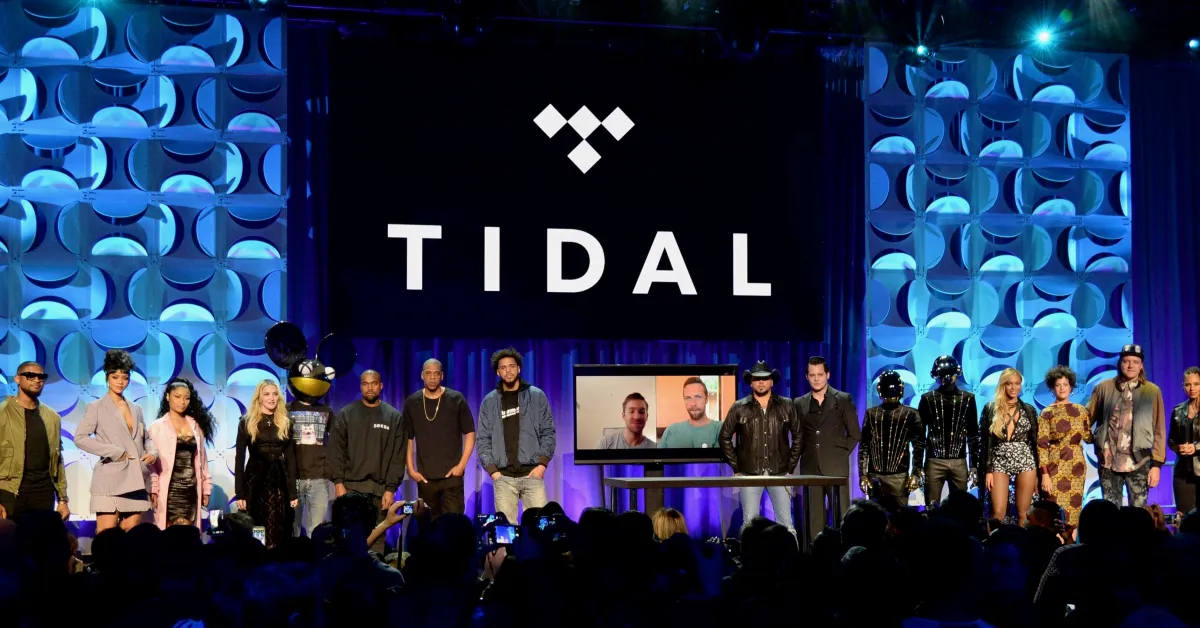
In a July 26, 2026 Substack post titled “16 Owners, One Board Seat”, activist investor and analyst Eric Jackson examines public documents, primarily Block’s (formerly Square) 10-K filings, the 2021 acquisition details, and a 2023 federal court ruling, to argue that the platform never delivered the ownership revolution or commercial success its launch promised. He emphasizes reading the filings over headlines and podcasts.
Tidal never approached the scale of the major platforms. It claimed a peak of around 3 million subscribers in 2016 before stopping disclosure; independent estimates (such as from Midia) put real figures closer to 1 million. By comparison, Spotify had 155–180 million paying subscribers around the time of the Square deal, and Apple Music had reported 60 million earlier. At best, Tidal was 20–50 times smaller than the leaders.
It lost money consistently in the periods measured. Parent company Aspiro posted a net loss of about $28 million in 2015 (burning roughly $2 million per month with limited cash). Operating losses continued, including $36.7 million in 2018 and $55.3 million in 2019 on revenue of $166.9 million.
Jackson rejects the idea of a simple “scam” narrative or claims that artist equity was broadly recoupable advances. He notes Drake never joined as an owner and instead struck an exclusive Apple Music deal. On Nicki Minaj’s public comments about being offered $1 million, he runs the math on a hypothetical 3% stake across historical valuations and finds peak theoretical value far lower.
Jackson’s piece relies entirely on public documents. It has circulated widely, including reactions from figures like Akademiks focusing on the disparity between the advertised co-ownership and the eventual outcomes for most of the artist group. Tidal continues to operate under Block, which has scaled back investment in it while prioritizing other areas such as bitcoin-related initiatives.