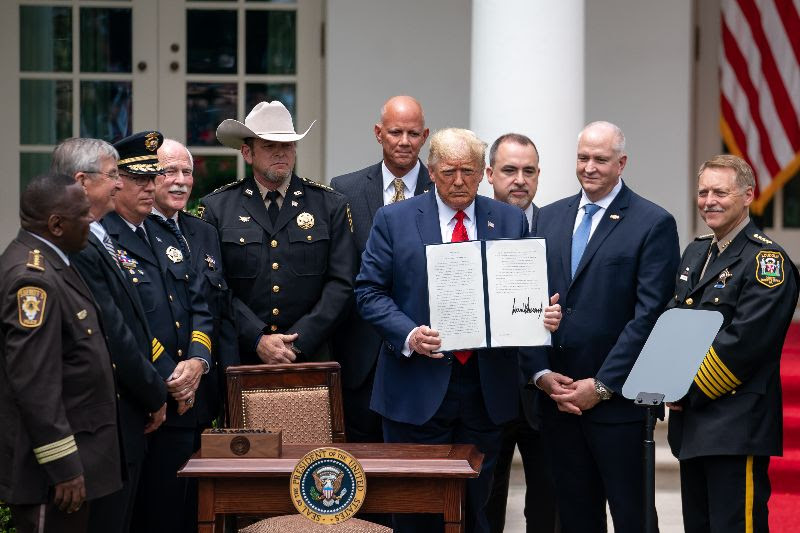
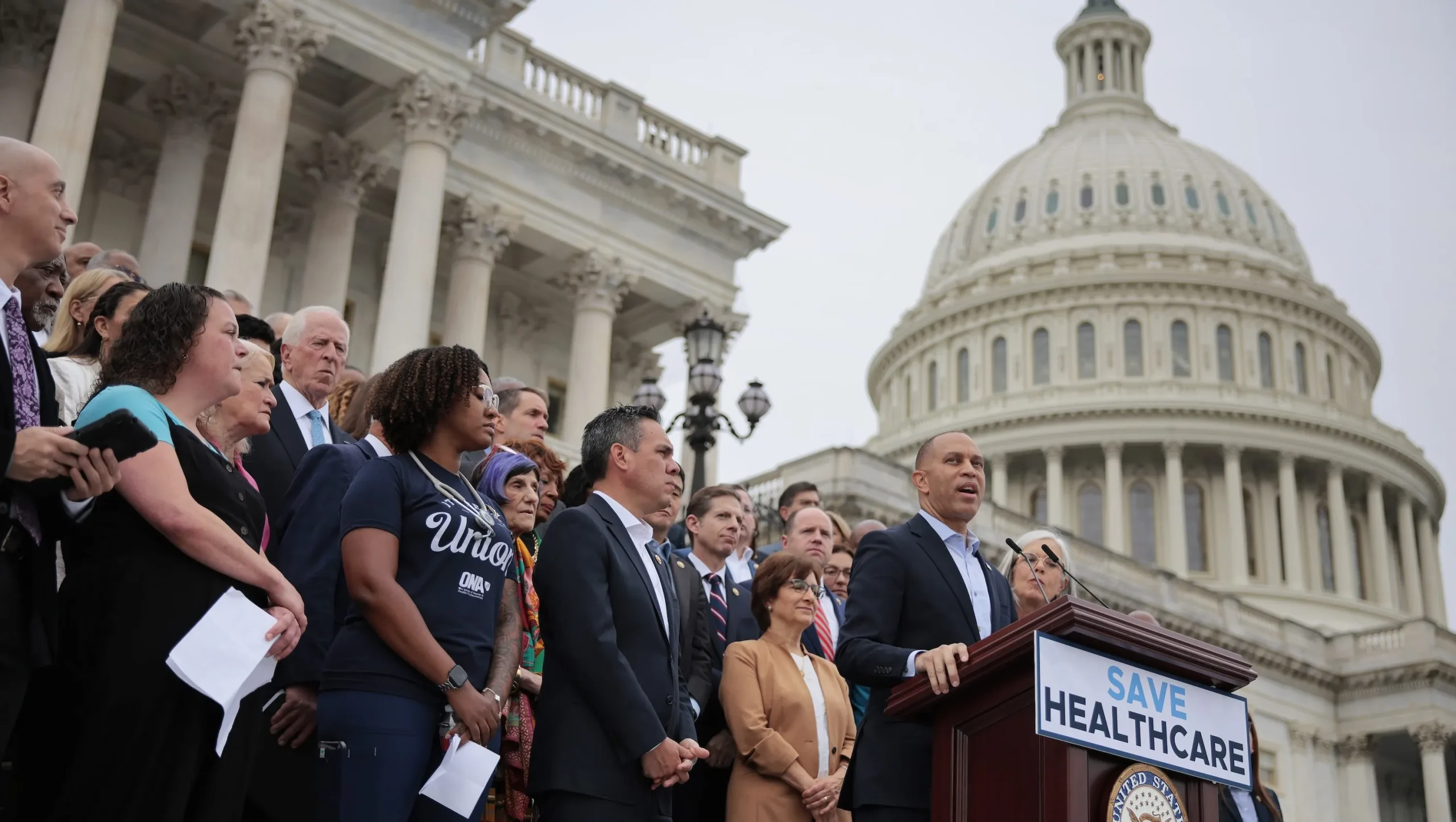
After 41 grueling days, the longest federal government shutdown in American history, Congress is on the cusp of reopening. The Senate’s bipartisan 60-40 vote to pass a stopgap funding bill has cleared a major hurdle, sending the measure to the House for what could be final approval. President Donald Trump, who has championed the deal as a “big victory” for Republicans, pledged swift signature upon House passage, promising an end to the chaos that has furloughed hundreds of thousands and strained services for millions.
The Senate’s continuing resolution is a patchwork compromise that averts immediate disaster while kicking the can down the road. It funds most discretionary government operations through January 30, 2026, but extends longer-term support for critical areas. Areas like the Department of Veterans Affairs, military construction, agriculture programs, SNAP (food stamps), WIC (nutrition for women, infants, and children), and even congressional operations through September 2026.
So what happens now?
Key changes:
- Worker Protections: Immediate reversal of mass federal layoffs within five days of enactment, with a freeze on new ones until January’s end. Furloughed employees estimated at over 800,000 will receive retroactive back pay once operations resume.
- State Reimbursements: Full federal repayment to states for shutdown-incurred costs, including SNAP benefits and emergency services, easing burdens on local budgets.Security Boosts: $30 million for U.S. Marshals’ judge protection, $28 million for Supreme Court security, and $203 million for lawmakers’ personal safeguards reflecting heightened threats amid political polarization.
- Policy Riders: A ban on unregulated THC hemp products, $603 million more for WIC (totaling $8.2 billion), and prohibitions on VA purchases from certain Chinese tech firms.
So what happens in Janurary 2026?
If the House follows suit federal doors swing open within hours of Trump’s signature. Agencies like the IRS will resume tax processing, USDA will stabilize farm subsidies, and TSA screeners will ease airport bottlenecks. Back pay checks could hit accounts in weeks, providing a financial lifeline.
For the average American, the immediate horizon brightens: Resumed services mean quicker passports, unblocked research grants for universities, and stabilized food aid for vulnerable families. But the episode underscores a fractured system, where partisan poker costs real livelihoods. As lawmakers reconvene?