
The Policy Changes in Texas
In Texas, the restrictions took effect on April 1, 2026. Under Senate Bill 379 (passed by the 89th Texas Legislature in 2025 and signed into law that June), SNAP recipients can no longer use their Lone Star Cards to buy:
- Candy (including gum and other sugary treats)
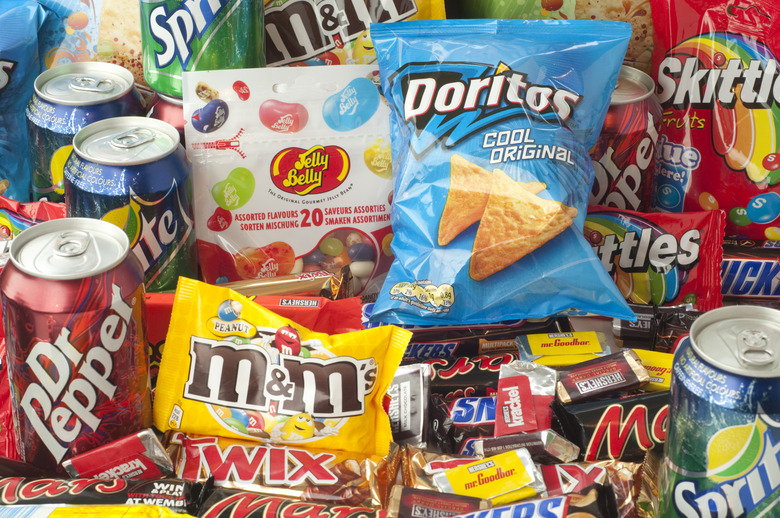
- Sweetened drinks, defined as nonalcoholic beverages made with water that contain 5 grams or more of added sugar per serving or any amount of artificial sweetener. This includes most sodas (regular and diet), energy drinks, and beverages with less than 50% real fruit or vegetable juice.
The Texas Health and Human Services Commission (HHSC) enforces these rules, following federal approval of a waiver from the U.S. Department of Agriculture (USDA) in 2025. State leaders, including Governor Greg Abbott, framed the policy as part of efforts to encourage nutritious choices like fruits, vegetables, and other wholesome foods, arguing that taxpayer dollars should support better health outcomes.
The Policy Changes in Florida
Florida’s restrictions began on April 20, 2026 (after an initial planned start date of January 1 was adjusted via a waiver modification). Approved by the USDA in August 2025 at the request of the Florida Department of Children and Families, the policy prohibits SNAP purchases of:
- Soda
- Energy drinks
- Candy
- Ultra-processed, shelf-stable prepared desserts (such as pre-packaged cakes, cookies, and similar items)
Florida’s “Healthy SNAP” initiative emphasizes directing benefits toward more nourishing foods to combat diet-related health issues. Governor Ron DeSantis and state officials highlighted the changes as a step toward improving public health for families relying on assistance.
Broader Context: A Nationwide Shift
Texas and Florida are part of a larger wave of reforms. In 2025–2026, the USDA approved food restriction waivers for at least 18 states (including Arkansas, Colorado, Hawaii, Idaho, Indiana, Iowa, Louisiana, Missouri, Nebraska, North Dakota, Oklahoma, South Carolina, Tennessee, Utah, Virginia, and West Virginia). These vary in scope, some target only sugary drinks, while others include candy, prepared desserts, or even broader categories like taxable prepared foods.
The push aligns with federal efforts under the current administration to restore “nutritional value” to SNAP, with officials noting that a significant portion of benefits previously went toward sugary items. Supporters argue the bans encourage healthier diets, reduce long-term healthcare costs related to obesity and chronic diseases, and ensure taxpayer funds prioritize essentials.
Looking Ahead
As these policies roll out in Texas, Florida, and beyond, their impacts will be closely watched, on public health metrics, SNAP usage patterns, and state budgets. For now, recipients in both states are encouraged to check official resources (such as the Texas HHSC website or Florida’s Healthy SNAP portal) for full lists of eligible and ineligible items, and to focus benefits on nutrient-dense foods that support overall well-being.