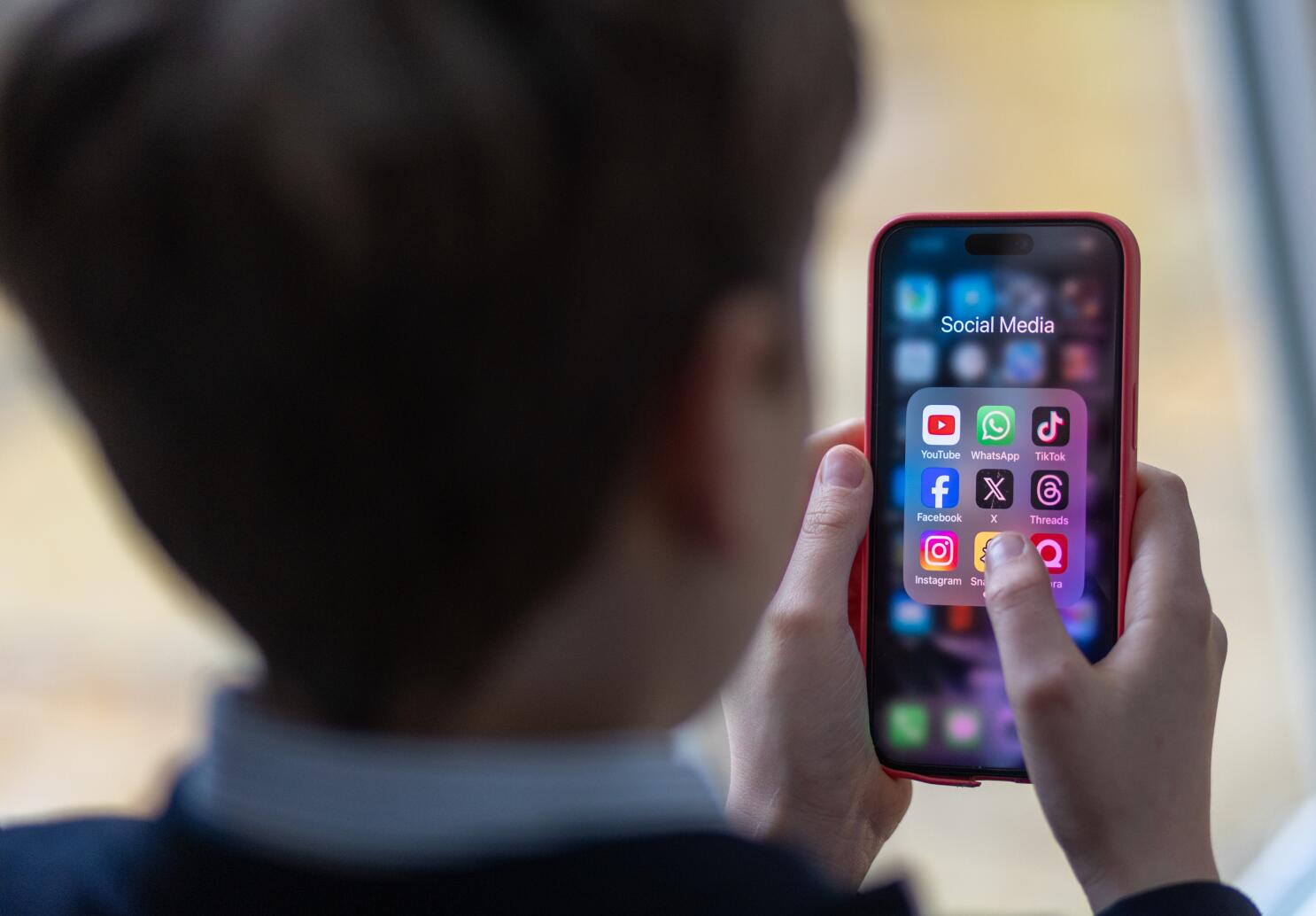
Meta has decided to settle a landmark multistate lawsuit that accused the company of designing addictive products that harmed children’s mental health.
The deal, announced Wednesday, August 26, 2026, resolves claims by 47 states, the District of Columbia, and several U.S. territories. It ends a federal trial in Oakland, California, that had begun just days earlier and threatened far larger penalties. Meta separately settled with Texas for about $1 billion. The company denies any wrongdoing.
Attorneys general called it the largest state consumer protection settlement in U.S. history outside the 1990s tobacco deals. California Attorney General Rob Bonta said the changes “will make social media less dangerous for our kids” and take effect within months.
How the Money Works
Meta will pay a guaranteed minimum of roughly $12.1–$12.7 billion over 10 years. An additional $5.3 billion becomes available only if YouTube and TikTok adopt comparable teen safety rules, including daily time limits and nighttime blocks, and contribute matching funds. Meta itself described the overall package as about $18 billion when including the Texas agreement.
States will use the money for youth online safety programs, mental health services, and related initiatives. California is slated to receive $1.5–$2.2 billion, New York up to $1.15 billion, New Jersey at least $525 million, and other states hundreds of millions more. Some additional privacy claims tied to the Cambridge Analytica scandal were also resolved.
Meta’s stock rose on the news. The payout represents a few months of the company’s recent profits.
New Rules for Teens on Facebook and Instagram
The most significant part of the settlement is not the money but the product changes. For users under 18, Meta must implement:
- A default two-hour daily time limit combined across Facebook and Instagram. Parents can raise it; teens cannot. If other major platforms join similar terms, the limit drops to one hour and lasts 10 years.
- Night mode blocking the apps from midnight to 6 a.m. (potentially expanding to 10 p.m.–6 or 7 a.m. if rivals participate).
- Mandatory “productive pauses” after 15 minutes of continuous use and additional interruptions at 60 and 90 minutes.
- No push notifications during school hours (roughly 8 a.m.–3 p.m. on school days) or overnight.
- Likes and reaction counts hidden by default on teens’ posts.
- Bans on certain cosmetic or “plastic surgery” filters.
- Stronger age-verification tools to keep children under 13 off the platforms and restrict age-inappropriate content.
- Enhanced parental controls and an option for a non-personalized (non-algorithmic) feed.
An independent auditor will monitor compliance and report to the states. Meta must also stop making misleading statements about the safety of its features.
These measures go beyond the Teen Accounts tools Meta had already introduced, which critics said were easy to bypass.
Why States Sued
A bipartisan coalition first filed suit in 2023 after years of investigation. They alleged Meta designed Instagram and Facebook with features, endless scroll, likes, notifications, and recommendation algorithms, known to drive compulsive use among developing brains. Internal documents, they said, showed employees comparing the products to drugs and discussing how to “hook” young users.
The states also accused the company of collecting data from children under 13 without proper parental consent and of publicly downplaying mental health risks even as internal research documented anxiety, depression, body-image issues, sleep disruption, and social comparison. Four lead states—California, Colorado, Kentucky, and New Jersey had been seeking as much as $200 billion before the settlement. Zuckerberg and Instagram head Adam Mosseri had been expected to testify.
Meta has long maintained that “social media addiction” is not a recognized psychiatric diagnosis, that it invests heavily in safety tools, and that parents and teens should have choices. In its statement, the company said it wants to “set a new industry standard” and called on TikTok and YouTube to adopt the same limits so teens cannot simply switch apps.
Broader Implications
The settlement does not end Meta’s legal exposure. Individual families, school districts, and other jurisdictions still have cases pending. Earlier in 2026, a New Mexico jury and judge had already awarded hundreds of millions against the company on similar theories
For the social media industry, the deal marks a shift: regulators and courts are no longer just extracting cash. They are dictating how products work for minors. Whether the new limits meaningfully reduce harm, or whether teens simply migrate to less-regulated apps, will be tested over the next several years under the independent auditor’s watch.
Colorado Attorney General Phil Weiser summarized the state’s view: the case was about protecting kids by stopping nighttime and school-hour alerts, forcing breaks, and removing features that worsen mental health. The agreement, he said, went further than most courts would have ordered.
Judge Yvonne Gonzalez Rogers of the U.S. District Court for the Northern District of California is expected to review and approve the consent judgment. Implementation is slated to begin in the coming months.